


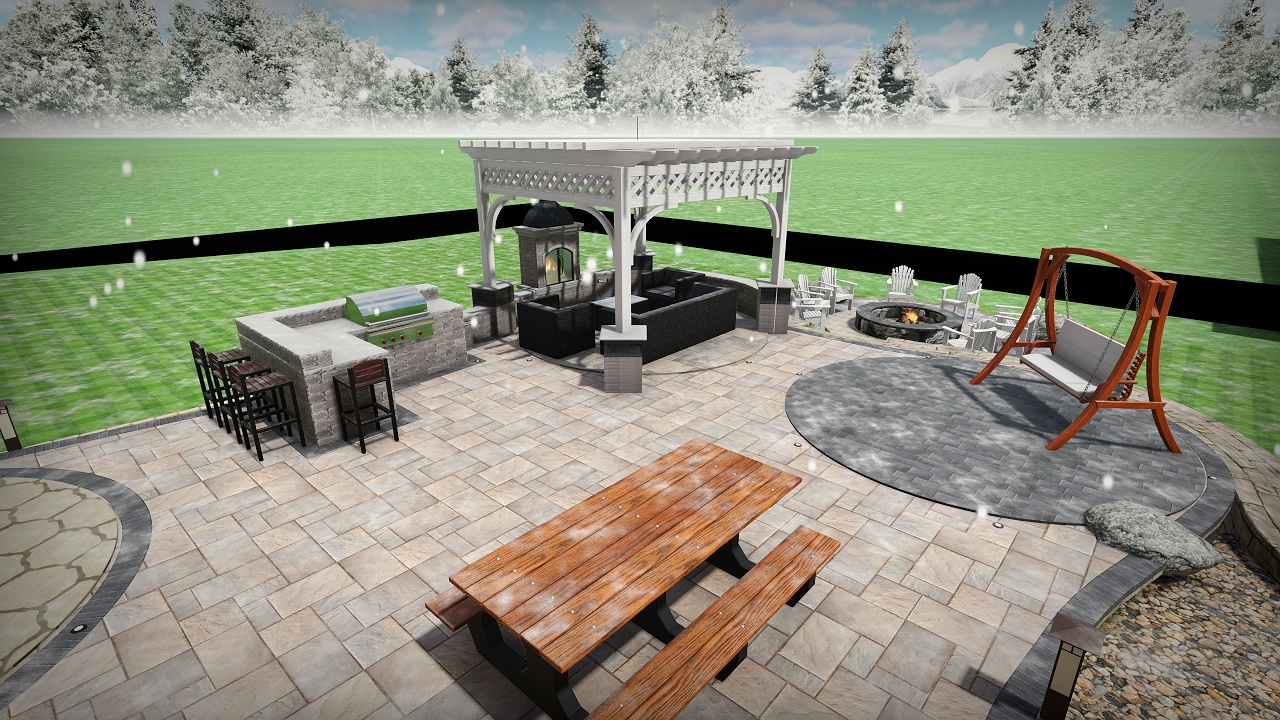
How to Open Your Patio After Winter in Wisconsin
Winter can be hard on outdoor spaces in Wisconsin. Snow, ice, sand, and debris often collect on patios and around fire pits during the colder months.
Once the snow melts, it’s a good idea to do a quick check and cleanup so your patio is ready for spring.
If you live in the La Crosse or Onalaska area, here are a few simple steps to help open your patio for the season.
Step 1: Remove Debris and Winter Sand
Over the winter, patios often collect:
-
leaves
-
dirt
-
sand from snow removal
-
small branches
Start by sweeping the patio surface with a stiff broom.
Removing debris early helps prevent staining and keeps joint areas clean.
It also makes it easier to inspect the patio for any issues that may have developed during winter.
Step 2: Rinse the Patio Surface
After sweeping, rinsing the patio with water helps remove fine dust and leftover sand.
A standard garden hose usually works well for this.
In most cases, high-pressure washing isn’t necessary, and using too much pressure can sometimes remove joint sand between pavers.
A light rinse is often enough to freshen the surface.
Step 3: Check Drainage Around the Patio
Drainage is an important part of any outdoor living space.
During winter, ice and debris can sometimes block areas where water should drain away from the patio.
Walk around your patio and check:
-
low areas where water could collect
-
drainage swales
-
edges of retaining walls
-
landscape areas near the patio
Proper drainage helps prevent water from sitting on the surface and protects the base underneath the pavers.
Step 4: Inspect the Edges and Joints
Next, take a look at the edges of your patio and the joints between pavers.
Things to check include:
-
loose edge restraints
-
missing joint sand
-
small areas of movement
Quality paver patios are designed to handle freeze and thaw cycles, but an occasional inspection helps catch small issues early.
If joint sand looks low, adding new polymeric sand can help maintain stability between pavers.
Step 5: Check Fire Pits and Outdoor Features
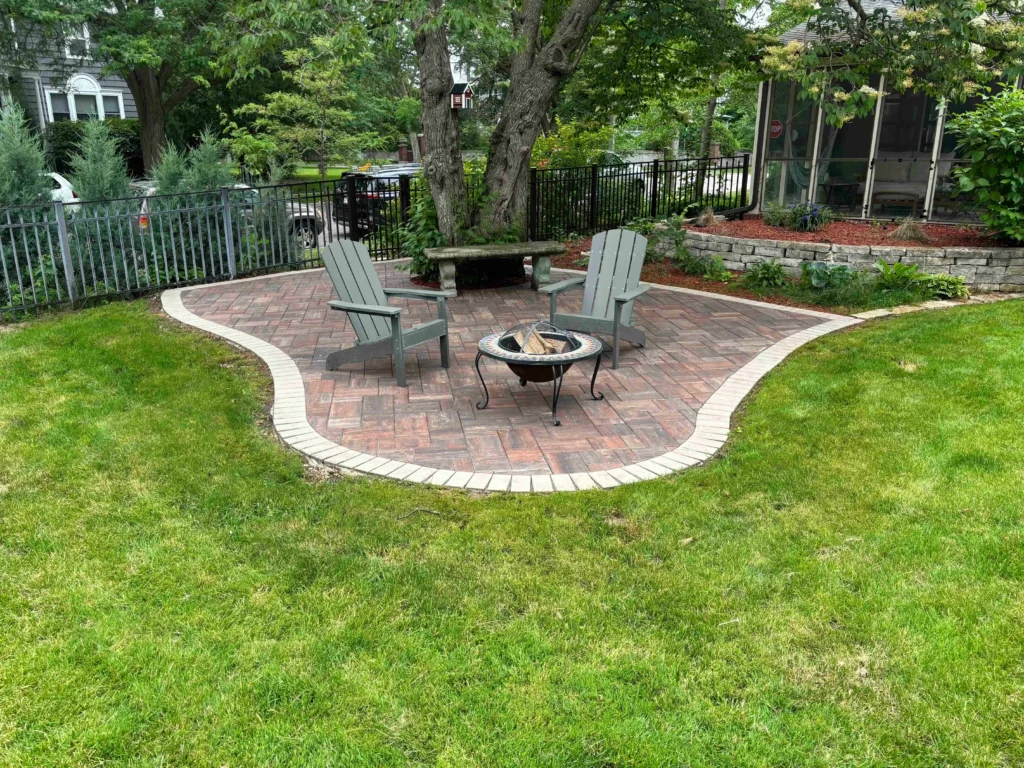
If your patio includes features like:
-
fire pits
-
seat walls
-
outdoor kitchens
-
retaining walls
Take a few minutes to inspect these areas as well.
Look for:
-
loose stones
-
debris buildup
-
drainage issues
Most outdoor living features are built to withstand Wisconsin weather, but a quick seasonal check keeps everything looking great.
When Should You Call a Hardscape Professional?
Most patios only require light maintenance after winter.
However, it may be worth contacting a professional if you notice:
-
areas that have sunk
-
pooling water
-
loose retaining wall blocks
-
significant joint sand loss
An experienced hardscape contractor can evaluate the patio and recommend the best solution.
Outdoor Living Spaces in the La Crosse Area
Paver patios are a popular choice for homeowners across La Crosse, Onalaska, Holmen, and surrounding communities because they handle Wisconsin’s freeze-thaw climate very well.
Proper base preparation and drainage during installation are key factors that help patios last for many years.
That’s why working with an experienced outdoor living contractor is important when planning a new project.
Final Thoughts
A well-built patio or outdoor living space is a long-term investment in your home and lifestyle. By focusing on quality installation and thoughtful design, homeowners can create spaces that last for decades.
Thinking About a New Patio This Year?
If you’re considering a paver patio, fire pit area, or outdoor living space in La Crosse or Onalaska, spring is the perfect time to start planning.
Believe Hardscape specializes in custom outdoor living spaces designed for Wisconsin homes.
Contact us today to schedule a consultation and start planning your backyard project.
Schedule Your Outdoor Living Phone Consultation
Frequently Asked Questions
Do paver patios get damaged by snow?
Most professionally installed paver patios are designed to handle snow and freezing temperatures. Proper base preparation allows the patio to move slightly during freeze-thaw cycles without cracking.
Should I pressure wash my patio in the spring?
Light pressure washing can be helpful, but high pressure can remove joint sand. In many cases, a garden hose and broom are enough for seasonal cleaning.
Do pavers need to be sealed every year?
Sealing is optional for many patios and is typically done every few years if homeowners want to enhance color and provide additional protection.


